

Vedio
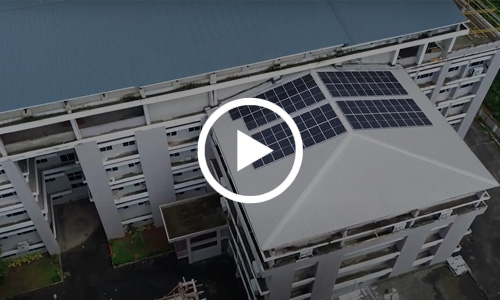
Solar Energy
The installation of rooftop solar panels aims to generate 40 kilowatts (kW) of solar energy, converting sunlight into electricity. This renewable energy system will help meet a substantial portion of the campus's power requirements, reducing reliance on conventional energy sources. By utilizing available rooftop space, the institute is expected to lower electricity costs and decrease its carbon footprint, supporting sustainability efforts and promoting an eco-friendly campus environment.
LED Lights
The AJ Institute of Engineering and Technology (AJIET) campus incorporates LED lighting extensively in its corridors, classrooms, and laboratories. These energy-efficient lights enhance visibility and create a comfortable learning environment while significantly reducing energy consumption. LED lights are strategically placed to ensure consistent and adequate illumination throughout the campus, contributing to both sustainability and cost savings. Their long lifespan and low maintenance make them ideal for continuous use in educational settings, supporting AJIET's commitment to eco-friendly infrastructure.
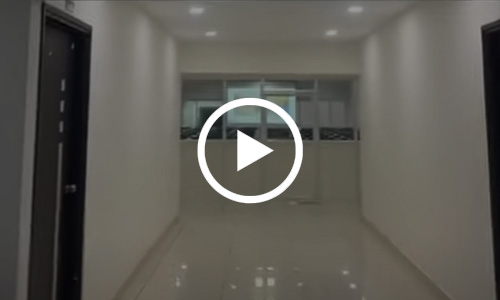
Motion Sensor based LED Energy Conservation
AJ Institute of Engineering and Technology (AJIET) has implemented motion sensor-based lights on campus to enhance energy conservation. These smart lighting systems automatically turn off when areas such as corridors, classrooms, and labs are unoccupied, minimizing electricity waste. By detecting motion, the lights only activate when needed, helping to reduce energy costs and support the campus's commitment to sustainability and eco-friendly practices. This technology optimizes energy usage while ensuring adequate lighting when necessary.
Degradable and non-degradable waste Management
Degradable waste in college, like food and paper, is managed through composting and recycling, turning it into useful products. Non-degradable waste, such as plastics and metals, is carefully segregated and sent for recycling or proper disposal to minimize environmental harm. The college promotes waste segregation and eco-friendly practices among students and staff to maintain a sustainable campus.
Water Conservation
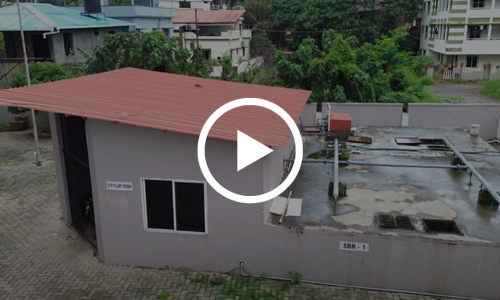
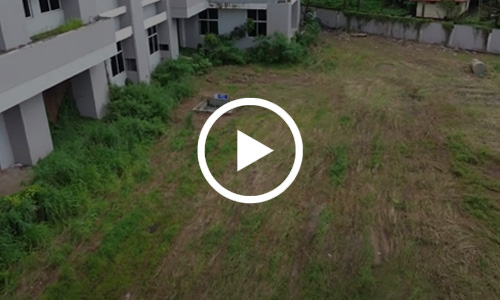
Rainwater harvesting on a AJIET campus involves collecting and storing rainwater from rooftops and surfaces for later use. This water can be utilized for gardening, flushing, and other non-drinking purposes, reducing the demand on groundwater resources. By implementing rainwater harvesting, the college promotes sustainable water management and conservation practices across the campus
Green Campus Initiatives
AJIET’s Green Campus initiatives focus on creating a sustainable environment through tree planting (sampling) and protection. The college actively plants trees across the campus to enhance greenery and promote biodiversity. To protect these saplings, mesh guards are installed, ensuring their growth and safeguarding them from damage. These efforts contribute to a cleaner, greener, and more eco-friendly campus.
Disabled-friendly, barrier free environment
AJIET is committed to creating a disabled-friendly, barrier-free environment by providing essential infrastructure such as ramps, lifts, and wheelchair accessibility. Ramps are installed at key locations to ensure smooth movement for those with mobility challenges. The college also offers elevator services and wheelchair access to classrooms and facilities, ensuring that all students, regardless of physical ability, can navigate the campus comfortably and independently.


